UFE vs Myomectomy
When comparing UFE vs myomectomy, the most important point is that both treatments are designed to help people with symptomatic uterine fibroids while preserving the uterus. They are not the same procedure, and they do not treat fibroids in the same way. Uterine Fibroid Embolization, often called UFE, treats fibroids by reducing the blood supply to fibroids. Myomectomy is surgery to remove fibroids from the uterus while leaving the uterus in place.
At North Star Fibroid Clinic, we offer UFE for fibroid treatment. We do not perform myomectomy. Our goal with this article is not to suggest that one option is right for every patient. Instead, we want to help patients understand the main differences between uterine fibroid embolization vs myomectomy, why both are considered uterus preserving fibroid treatment options, and what factors are worth discussing with a qualified medical professional.
What Is UFE?
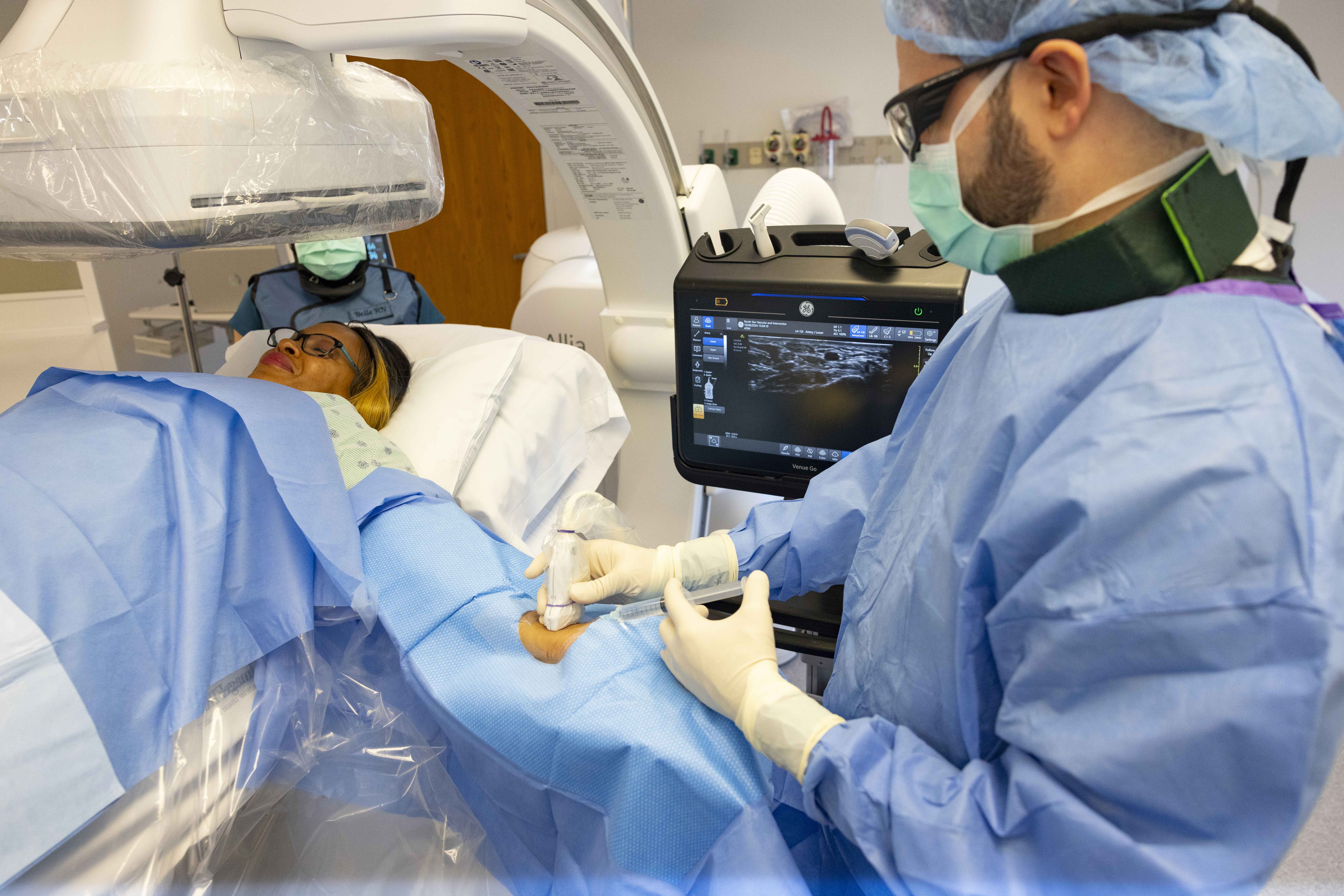
UFE is a minimally invasive procedure that uses a catheter to deliver embolic material into the arteries supplying the fibroids. During the procedure, a small catheter is guided through the blood vessels to the arteries that supply the uterus. Tiny particles are then delivered to reduce blood flow to the fibroids. With less blood supply, fibroids can shrink over time, which can help reduce symptoms such as heavy bleeding, pelvic pressure, pain, and urinary frequency.
This approach is different from surgery because UFE does not require surgical removal of fibroids. Clinical research has compared UFE with surgical fibroid treatment. In the randomized FUME trial, women who underwent uterine artery embolization and women who underwent myomectomy both had significant quality of life improvement after treatment, while the embolization group had a shorter hospital stay in that study.
For patients who want to learn more about the procedure we provide, our page on Uterine Fibroid Embolization in Minneapolis explains how UFE fits into fibroid care and what patients can expect during evaluation.
What Is Myomectomy?
Myomectomy is a surgical procedure that removes fibroids from the uterus while preserving the uterus. It may be performed through several surgical approaches, including abdominal surgery, laparoscopic surgery, robotic surgery, or hysteroscopic surgery, depending on the size, location, and number of fibroids. The goal is to remove fibroid tissue while keeping the uterus.
Myomectomy may be discussed for patients who are better suited to surgical removal, especially when fibroid location makes removal important for symptoms or reproductive planning. Because myomectomy is surgery, it can involve incisions, anesthesia, operating room time, and a surgical recovery period. The exact experience varies by procedure type and by patient factors.
Although North Star Fibroid Clinic does not perform myomectomy, we believe patients should understand the full treatment landscape. A balanced comparison of fibroid embolization vs surgery can help patients prepare better questions and make more informed decisions.
Uterus Preserving Fibroid Treatment
UFE and myomectomy are often discussed together because both preserve the uterus. This distinction matters because hysterectomy removes the uterus entirely, while UFE and myomectomy are intended for patients who want an alternative to uterus removal.
However, uterus preserving does not mean identical. UFE targets fibroids through their uterine arterial blood supply. Myomectomy surgically removes fibroid tissue. This difference can affect recovery, future treatment needs, pregnancy planning, and how doctors evaluate candidacy.
The best option depends on symptoms, imaging results, fibroid size, fibroid number, fibroid location, medical history, age, fertility goals, and patient preference. A person with several fibroids throughout the uterus may have a different treatment discussion than a person with one fibroid projecting into the uterine cavity.
UFE vs Myomectomy: Recovery
Recovery is one of the biggest reasons patients compare UFE vs myomectomy. UFE is usually performed through a small arterial access point rather than a large surgical incision. For some patients, this may make UFE appealing as a way to avoid major surgery and a longer surgical recovery.
In the FUME randomized trial, patients treated with uterine artery embolization had a shorter hospitalization than patients treated with myomectomy. The study reported hospitalization of two days for embolization compared with six days for myomectomy, while both groups showed significant quality of life improvement by one year.
This does not mean every patient will have the same recovery. Some patients have cramping, pelvic discomfort, nausea, fatigue, or post embolization symptoms after UFE. Surgical recovery after myomectomy also varies, especially because abdominal, laparoscopic, robotic, and hysteroscopic procedures are different. The recovery comparison should be personalized rather than based only on averages.
Symptom Relief After UFE and Myomectomy
Both UFE and myomectomy are used to treat symptoms caused by uterine fibroids. These symptoms can include heavy menstrual bleeding, pelvic pain, bloating, pelvic pressure, frequent urination, constipation, and anemia related to heavy bleeding. Research supports that both options can improve fibroid related quality of life in appropriately selected patients.
The FUME randomized trial found significant and equal quality of life improvement at one year after UFE and myomectomy. A later four year follow up of the FEMME randomized trial found that myomectomy had a quality of life advantage earlier in follow up, but by four years the difference was not statistically significant. A 2024 systematic review and meta analysis of randomized trials also reported little to no difference overall in quality of life between uterine artery embolization and myomectomy, while noting uncertainty in the evidence.
For patients, this means the decision is often not as simple as asking which treatment works. A better question is which treatment fits the patient’s fibroid pattern, health history, tolerance for surgery, recovery needs, and future plans.
Repeat Treatment Risk
One of the most important differences in the UFE vs myomectomy discussion is the chance of needing another procedure in the future. Some studies suggest that repeat treatment may be more common after UFE than after myomectomy.
In the four year FEMME follow up, the cumulative repeat procedure rate was 24 percent in the uterine artery embolization group and 13 percent in the myomectomy group. The 2024 systematic review and meta analysis also concluded that uterine artery embolization was likely associated with a higher reintervention rate and shorter time to reintervention than myomectomy.
This is an important counseling point, and it should be presented honestly. At the same time, repeat treatment risk is only one part of the decision. Some patients may still prefer UFE because they want to avoid surgery, avoid a large incision, shorten downtime, or treat multiple fibroids through one minimally invasive procedure. Others may prioritize surgical removal because of their anatomy, symptoms, or reproductive goals.
Fertility and Pregnancy Considerations
Fertility goals should be discussed carefully before any fibroid procedure. Myomectomy is commonly discussed as a uterus preserving surgical option for patients with reproductive goals, especially when fibroids distort the uterine cavity. UFE may still be discussed in some cases, but fertility evidence is more complex and patient selection matters.
The four year FEMME follow up reported pregnancies in both treatment groups, but the authors stated that the number of pregnancies was too small to draw firm conclusions about the effect of either procedure on fertility. This is why patients who want to become pregnant in the future should have a detailed discussion with their OB GYN, fertility specialist, or another qualified clinician before choosing treatment.
At North Star Fibroid Clinic, we evaluate UFE candidacy with care. When fertility goals are part of the decision, we encourage patients to bring that up early so the conversation can include imaging findings, symptom burden, and the need for surgical or fertility input when appropriate.
Who May Consider UFE?
UFE may be worth discussing for patients with symptomatic fibroids who want a uterus preserving treatment option and prefer to avoid surgery. It may be especially appealing for patients who have heavy bleeding, pelvic pressure, or multiple fibroids and want a minimally invasive option.
UFE is not right for every patient. People who are pregnant, have active pelvic infection, or have concerns for gynecologic malignancy may not be candidates; other medical factors may also matter. Imaging is also important because fibroid size, location, blood supply, and the presence of other conditions can change the recommendation.
Our Uterine Fibroid Resources page includes patient education about UFE, preparation, common questions, and general treatment considerations. It can be a useful starting point before a consultation.
Who May Consider Myomectomy?
Myomectomy may be worth discussing with a surgeon when fibroid removal is preferred or when the patient’s anatomy, fertility planning, or symptoms make surgery a strong consideration. Some fibroids, especially those that affect the uterine cavity, may require a surgical opinion.
Because we do not provide myomectomy at North Star Fibroid Clinic, we do not advise patients to choose or reject surgery without a full clinical evaluation. We can explain UFE, review candidacy for the procedure we offer, and help patients understand how UFE compares with surgical options in a general educational way. Patients considering myomectomy should speak with a clinician who performs that procedure.
How To Compare Fibroid Embolization vs Surgery
A helpful comparison starts with diagnosis. Fibroid symptoms alone do not tell the whole story. Imaging helps identify the size, number, and location of fibroids, which can influence whether UFE, myomectomy, medication, monitoring, or another option may be considered.
Patients comparing fibroid embolization vs surgery should ask about the goal of treatment, likely recovery, anesthesia, incision needs, expected symptom improvement, future pregnancy plans, repeat treatment risk, and possible complications. They should also ask how their specific imaging results affect the recommendation.
In research, both UFE and myomectomy have shown meaningful benefits for patients with symptomatic fibroids. The key is matching the treatment to the person rather than assuming one approach is best for everyone.
Why North Star Focuses On UFE
At North Star Fibroid Clinic, we focus on UFE because it gives many patients a minimally invasive way to treat fibroid symptoms while preserving the uterus. We believe patients deserve clear education about all options, including options we do not perform.
Our role is to explain UFE carefully, review whether someone may be a candidate, and help patients understand how the procedure compares with surgery. When a patient may be better served by a surgical discussion, fertility counseling, or additional evaluation, that should be part of responsible care.
Patients looking for fibroid treatment in Minneapolis can use our educational resources to understand symptoms, treatment choices, and next steps. UFE is not a one size fits all answer, but for many patients it may offer a path to symptom relief without surgery.
UFE vs Myomectomy: The Bottom Line
UFE and myomectomy are both uterus preserving fibroid treatment options, but they work differently. UFE reduces blood flow to fibroids so they shrink over time. Myomectomy surgically removes fibroids from the uterus. Research from randomized trials shows that both can improve fibroid related quality of life, while studies also suggest that UFE may involve shorter hospitalization and myomectomy may have lower repeat procedure rates in some patient groups.
The right choice depends on the patient’s symptoms, imaging, recovery priorities, medical history, and fertility goals. At North Star Fibroid Clinic, we offer UFE and provide education so patients can make informed decisions about their care. A consultation can help determine whether UFE is an appropriate option and whether additional input about myomectomy or other treatments may be helpful.
If fibroid symptoms are affecting daily life, learning the differences between uterine fibroid embolization vs myomectomy is an important step toward choosing the treatment path that fits the patient best.