Types of Uterine Fibroids, and How to Treat Them
Uterine fibroids are surprisingly common, affecting a large percentage of women during their lifetime. While the word “tumor” can be alarming, it’s important to know that uterine fibroids are benign, or non-cancerous, growths that develop from the muscular tissue of the uterus. However, they can cause a range of uncomfortable and disruptive symptoms. Understanding the different types of fibroids and the available treatment options is the first step toward finding relief.
What Are the Different Types of Uterine Fibroids?
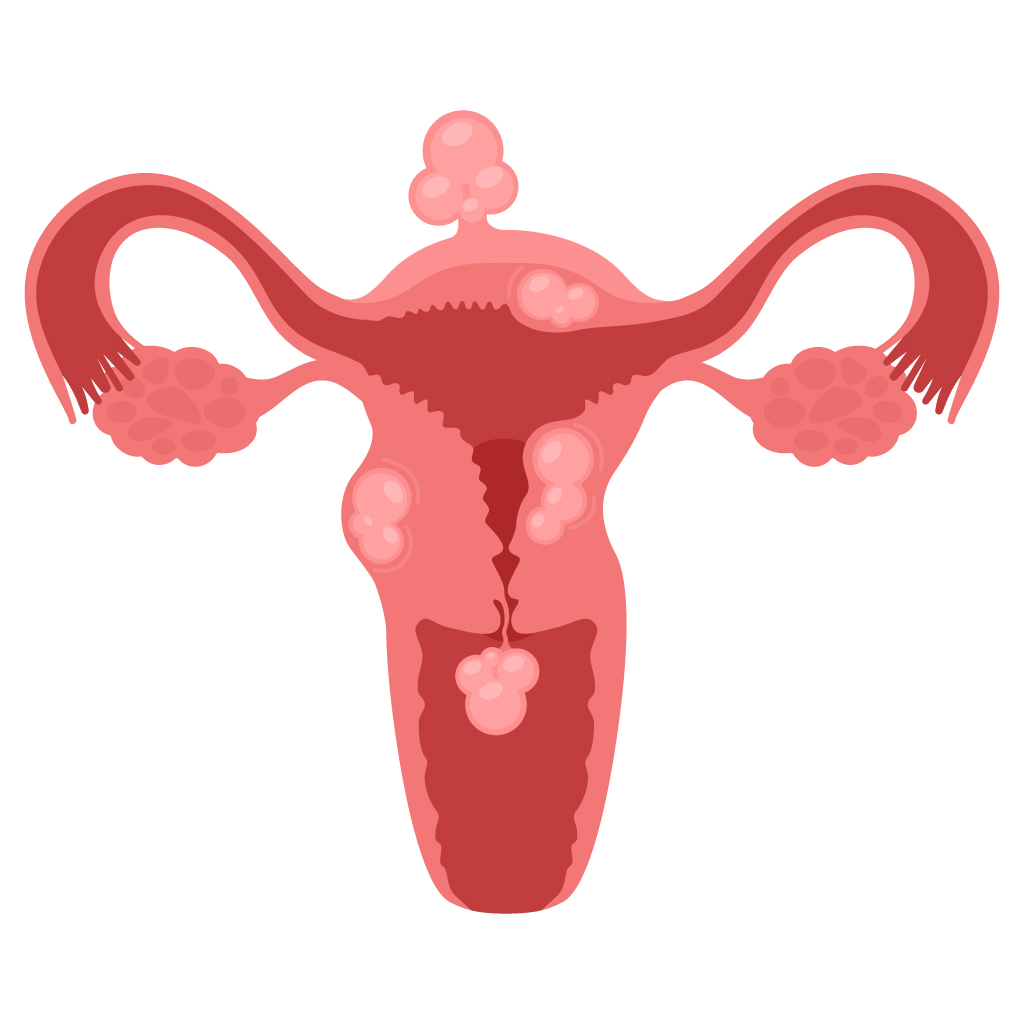
Fibroids are classified based on their location within the uterus. This location is a key factor in the types of symptoms a person might experience. According to the FIGO classification system, which is the international standard used by healthcare providers, there are several distinct types of fibroids.
Intramural Fibroids
Intramural fibroids are the most common type and grow within the muscular wall of the uterus. As they grow, they can cause the uterus to enlarge, leading to pelvic pressure, pain, and a feeling of fullness in the lower abdomen. Large intramural fibroids can also contribute to heavy menstrual bleeding.
Subserosal Fibroids
Subserosal fibroids form on the outer surface of the uterus. Because they grow outward, they can press on surrounding organs like the bladder or rectum. This pressure can cause symptoms such as frequent urination, difficulty emptying the bladder, or constipation. While they are less likely to affect menstrual bleeding, large subserosal fibroids can cause significant discomfort due to their bulk.
Submucosal Fibroids
Submucosal fibroids develop just under the inner lining of the uterus (the endometrium) and can bulge into the uterine cavity. Even small submucosal fibroids can cause significant symptoms, including heavy and prolonged menstrual bleeding. They are also the type most commonly associated with reproductive issues such as infertility.
Pedunculated Fibroids
Pedunculated fibroids are attached to the uterine wall by a stalk-like growth called a peduncle. They can develop on the inside of the uterus (pedunculated submucosal) or on the outside (pedunculated subserosal). Their symptoms depend on their location; those on the outside may cause bulk-related symptoms, while those on the inside can contribute to heavy bleeding.
Cervical Fibroids
Less commonly, fibroids can develop in the cervix, the lower part of the uterus. These are known as cervical fibroids and can cause symptoms such as pelvic pain, painful intercourse, and difficulty with urination.
Common Symptoms of Uterine Fibroids
The symptoms of uterine fibroids can vary widely depending on the size, number, and location of the growths. Many women may not experience any symptoms at all. For others, fibroids can cause significant discomfort and disruption to daily life. Common symptoms, as noted by the Mayo Clinic, include:
| Symptom | Description |
|---|---|
| Heavy Menstrual Bleeding | Periods that are heavier than normal or last longer than a week. |
| Pelvic Pain or Pressure | A feeling of fullness, pressure, or pain in the lower abdomen. |
| Frequent Urination | Needing to urinate more often than usual, sometimes with difficulty emptying the bladder. |
| Constipation | Difficulty with bowel movements due to pressure on the rectum. |
| Backache or Leg Pains | Pain in the lower back or legs, which can occur when fibroids press on nerves. |
| Enlarged Abdomen | A noticeable increase in abdominal size, sometimes mistaken for weight gain. |
If you are experiencing any of these symptoms, it is important to consult with a healthcare professional for an accurate diagnosis.
How Are Uterine Fibroids Treated?
Fortunately, there are several effective treatment options for uterine fibroids. The best treatment will depend on individual circumstances, including the severity of symptoms, the size and location of the fibroids, and future pregnancy plans.
Uterine Fibroid Embolization (UFE)
One of the most effective and minimally invasive treatments available is Uterine Fibroid Embolization (UFE). UFE is a non-surgical procedure performed by an interventional radiologist. During the procedure, tiny particles are injected into the arteries that supply blood to the fibroids. This blocks the blood flow, causing the fibroids to shrink and soften over time.
UFE is a comprehensive treatment that addresses all fibroids in the uterus at once, regardless of their type or location. Studies have shown that nearly 90% of women who undergo UFE experience significant or complete resolution of their fibroid-related symptoms. It offers several key advantages:
- Non-surgical: No incisions are required, only a small nick in the skin.
- Preserves the uterus: Unlike a hysterectomy, UFE does not involve removing the uterus.
- Shorter recovery: Most patients return to normal activities within one to two weeks.
- Treats all fibroids: The procedure targets all fibroids present in the uterus simultaneously.
How UFE Helps Different Fibroid Types
UFE is effective for treating all types of fibroids:
- For Intramural and Subserosal Fibroids: By shrinking these fibroids, UFE effectively relieves the bulk-related symptoms they cause, such as pelvic pain and pressure on the bladder and rectum.
- For Submucosal Fibroids: UFE is a safe and effective treatment for submucosal fibroids, which are often the cause of heavy bleeding. Research published in the National Institutes of Health confirms that UFE achieves excellent results in treating submucosal fibroids, with high rates of devascularization and patient satisfaction.
- For Pedunculated Fibroids: UFE can also be used to treat pedunculated fibroids, causing them to shrink and alleviating associated symptoms.
Other Treatment Options
In addition to UFE, other treatment options may be considered depending on the individual case:
- Medication: Hormonal medications can help manage symptoms like heavy bleeding, but they do not eliminate fibroids.
- Myomectomy: A surgical procedure to remove fibroids while preserving the uterus.
- Hysterectomy: The surgical removal of the uterus, which is a definitive treatment but eliminates the possibility of future pregnancy.
- MRI-Guided Focused Ultrasound (MRgFUS): A non-invasive procedure that uses focused ultrasound waves to heat and destroy fibroid tissue.
Taking the Next Step
Living with the symptoms of uterine fibroids can be challenging, but effective treatments are available. Understanding the types of fibroids and the available options is the first step toward taking control of your health. If you are experiencing symptoms of uterine fibroids, we encourage you to speak with a healthcare professional to learn more about your options and find the treatment that is right for you.